Living Lessons from Net‑Zero Schools and Libraries
Step into authentic occupant journey narratives from net‑zero schools and libraries, where students, educators, librarians, and facility teams turn building performance into daily habits and meaningful learning. Discover how comfort, curiosity, and climate goals intersect through lived experiences, candid stories, small wins, and practical actions you can adapt, share, and expand with your own community.
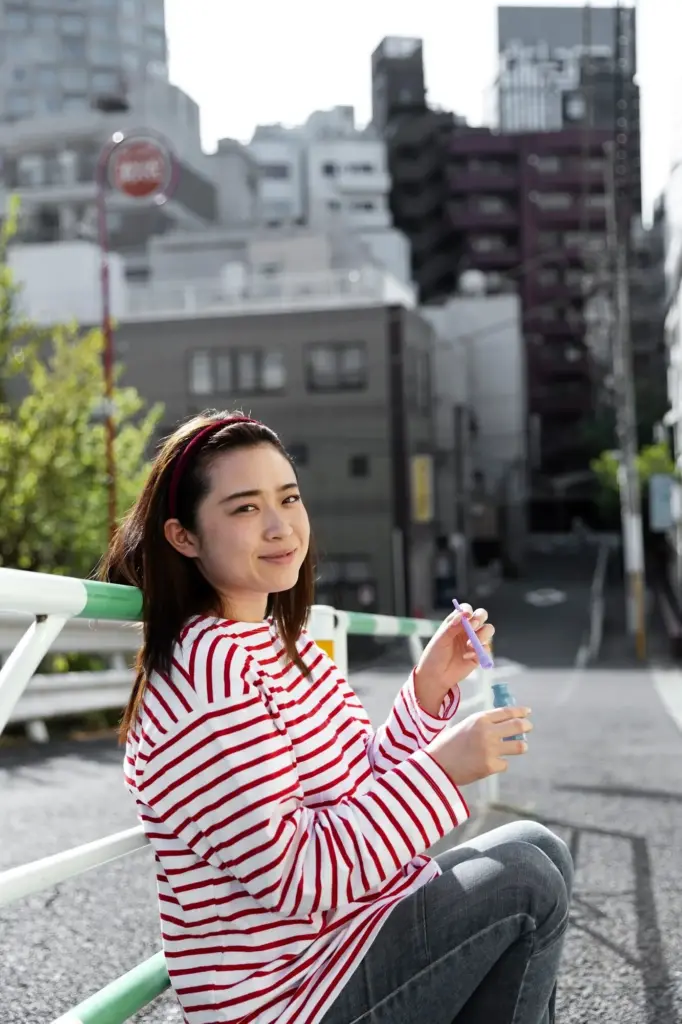
First Bell, Lights On, Energy Off
Mornings set the tone for everything that follows. In net‑zero classrooms and reading rooms, daylighting guides routines, occupancy sensors encourage calm transitions, and power strips become conversation starters. These daily patterns reveal how design features quietly coach behavior, helping communities align comfort, focus, and conservation without sacrificing the joy and spontaneity of learning.
Students drop backpacks beneath sun‑washed windows, instinctively opening blinds instead of flipping switches. Teachers glance at luminance indicators and seat charts, redistributing groups to harness soft daylight. The ritual feels natural, not prescriptive, proving that intentional cues and transparent design can transform a hectic start into a mindful, energy‑positive beginning every single day.
A curious fourth‑grader notices the CO₂ monitor tick upward during group work. The class experiments with a five‑minute fresh‑air stretch, returning to find sharper attention and steadier readings. Conversation shifts from complaints about stuffiness to understanding how ventilation, acoustics, and focus interrelate, turning comfort from a mystery into a shared responsibility grounded in observation.
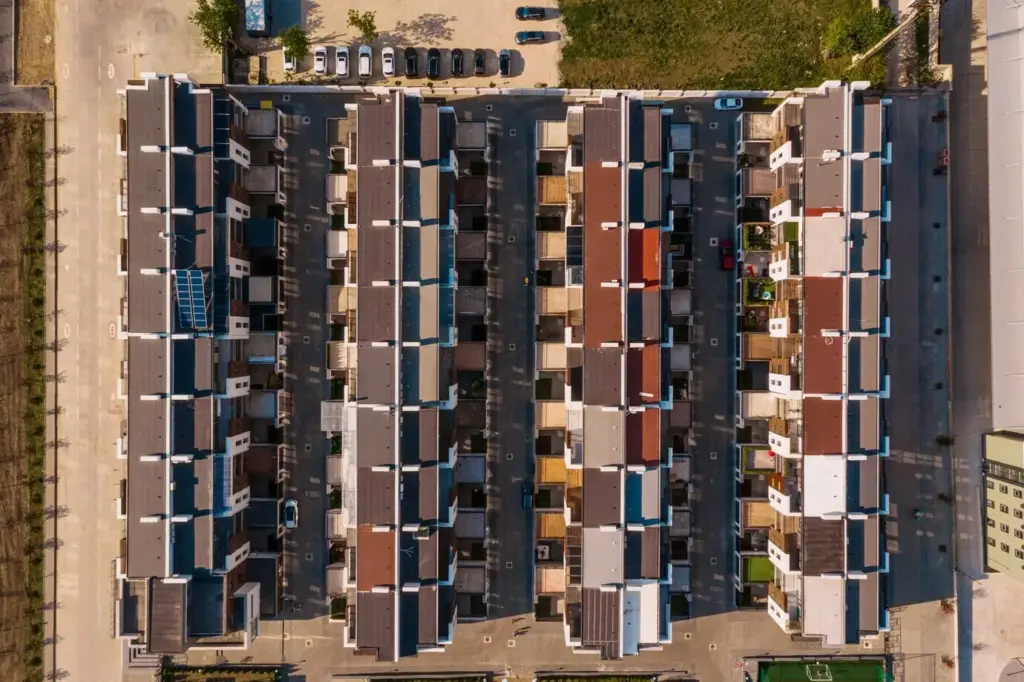

The Design‑to‑Behavior Bridge
High‑performance buildings succeed when intentions become habits. Clear onboarding, playful signage, and feedback loops help people interpret controls without fear. Rather than rulebooks, communities need approachable stories, visual cues, and supportive coaching that celebrate experimentation. When occupants feel invited to learn, features transform from mysterious panels into empowering tools that enhance everyday experiences.



Invisible Systems, Visible Learning
Dashboards, sensors, and meters can overwhelm—or enlighten. When translated into accessible visuals and narratives, hidden systems become learning partners across subjects. Rather than chasing raw numbers, communities focus on questions, experiments, and reflection, connecting human comfort and climate literacy while nurturing empathy for different needs, schedules, and spaces within shared walls.
Barriers, Missteps, and Course Corrections
Progress isn’t linear. Plug‑load creep returns after holidays, overrides linger after evening events, and new equipment arrives without clear labels. Instead of blame, communities adopt reflective routines: seasonal walk‑throughs, student‑led audits, and rapid‑feedback forms. The result is a culture that treats setbacks as guidance, improving resilience and confidence with each thoughtful adjustment.

Family nights that spark neighborhood resilience
Open‑house tours showcase rooftop arrays, cozy reading corners, and student‑built monitors. Families borrow watt‑meters, sign up for weatherization workshops, and compare kitchen habits. The building becomes a neighborhood teacher, strengthening trust and offering practical tools. These evenings turn abstract sustainability into supportive, intergenerational routines that build comfort, savings, and confidence together.
Library‑to‑library exchanges of practice
Librarians host virtual meetups to swap signage templates, device‑charging policies, and display layouts that nudge gentle habits. They co‑create a shared “quiet comfort” checklist and publish it openly. By iterating in community, they reduce reinvention, celebrate different contexts, and normalize the idea that stewardship thrives when knowledge circulates generously and continually.
Students influencing district decisions
Capstone teams present measured results to school boards: reduced peaks, calmer afternoons, higher attendance during heatwaves. Their proposals—smart strip purchasing, standardized onboarding videos, and dashboard accessibility upgrades—receive applause and funding. Agency grows as students witness policy respond to lived evidence, reinforcing civic skills while multiplying the comfort and savings across campuses.
Scaling Impact and Community Ties
The influence of these practices extends beyond campus. Families adopt simple strategies at home, neighboring branches trade ideas, and district leaders notice calmer classrooms with lower bills. Sharing stories across networks accelerates progress, helping more places create nurturing, efficient spaces where learning thrives and climate responsibility feels achievable, welcoming, and proudly local.
All Rights Reserved.