Listening to the Past, Designing Greener Streets

Step into a living workshop where neighbors’ memories shape sustainable choices. Today we explore Community Oral Histories Guiding the Design of Eco-Friendly Neighborhoods, translating lived experience into resilient layouts, cooler blocks, safer crossings, and inviting commons. Share your stories, subscribe, and help sketch tomorrow with voices from yesterday.

Gathering Stories, Mapping Needs

Before any line touches paper, we sit at kitchen tables, hold story circles, and walk familiar blocks to listen for patterns that data alone misses. Memories of puddles, shortcuts, shade, and danger become practical clues that guide priorities, materials, and stewardship.

Story Circles that Reveal Hidden Patterns

In a quiet room with tea and photos, residents weave timelines of floods, summer heat, and long-gone bus routes. Overlapping accounts corroborate hot spots and safe havens, turning scattered recollections into actionable maps that direct tree placement, crosswalks, lighting, and cooling interventions.

Memory Walks with Elders and Youth

Side by side, generations point to cracked curb cuts, missing shade, and beloved gathering corners. Phones record audio while chalk marks surfaces to test small changes. These shared walks humanize datasets, revealing micro-conditions that influence materials, bench orientation, drainage grading, and plaza acoustics.

Trust, Consent, and Ethical Listening

We begin with consent, clarity of purpose, and fair compensation. Translators support multilingual neighbors, childcare removes barriers, and archives respect ownership. Ethical listening builds credibility, ensuring stories inform design decisions without extraction, misrepresentation, or performative engagement that fades once ribbon-cuttings and headlines pass.
From Memories to Blueprints

Accounts of lived experience become design criteria, not just charming anecdotes. When elders recount stormwater pooling by the corner store, engineers shape bioswales and permeable paving there. When parents describe unsafe dusk commutes, lighting, visibility lines, and walk signals are prioritized with measurable goals and budgets.

Climate Resilience Rooted in Place

Eco-friendly neighborhoods are more than technology; they respond to microclimates remembered across decades. Oral accounts of breezes, shade arcs, and heat traps steer tree species, canopy spacing, and water capture, creating cooler routes, healthier air, and social spaces that thrive during heat waves, droughts, and storms.

Shade, Wind, and the Wisdom of Courtyards

Neighbors recount where laundry always dried, where chess tables stayed breezy, and where concrete baked unbearably. These clues inform courtyard proportions, trellis orientations, and canopy mixes that channel wind, block glare, and protect facades, improving comfort while lowering energy loads and long-term operational costs for residents.

Water Reuse Informed by Past Droughts

Personal recollections of rationing days and clever home fixes guide district-scale strategies. Cistern art doubles as education, laundry-to-landscape systems become normal, and smart meters respect affordability. By rooting infrastructure in memory, behavior change feels familiar, strengthening adoption and making conservation habits visible and celebrated across blocks.

Native Plantings Preserving Stories of the Land

Gardeners remember which birds arrived with spring and which berries flavored festivals. That knowledge steers selections toward native understories, drought-tolerant perennials, and monarch-friendly milkweed. Planting plans become living archives, offering shade, habitat, and seasonal rituals that link environmental performance with identity, celebration, and intergenerational learning.

Tools and Methods for Community Designers

Participatory Mapping that Honors Voices

Sticky notes, colored threads, and community GIS sessions layer memories onto parcels and corners. Each annotation links to audio for context, preventing oversimplification. The result is not just a map, but a transparent ledger of why certain choices matter, to whom, and when maintenance peaks.

Lightweight Prototypes and Tactical Urbanism

Weekend pilots test shade sails, temporary curb extensions, planter buffers, and wayfinding stencils. Residents measure temperatures, observe flows, and record feelings before and after. These small trials validate investments, surface unintended consequences, and cultivate shared pride that accelerates permits, partnerships, and long-term stewardship commitments from local groups.

Measuring Outcomes without Losing Humanity

Sensors and surveys sit beside storytelling, not above it. We track canopy growth, runoff reduction, and walking rates while continuing conversations about comfort, safety, and belonging. Balanced metrics protect dignity and nuance, making evaluations accountable to numbers and neighbors alike across seasons and leadership transitions.
Barrio Shade Corridor in a Desert City

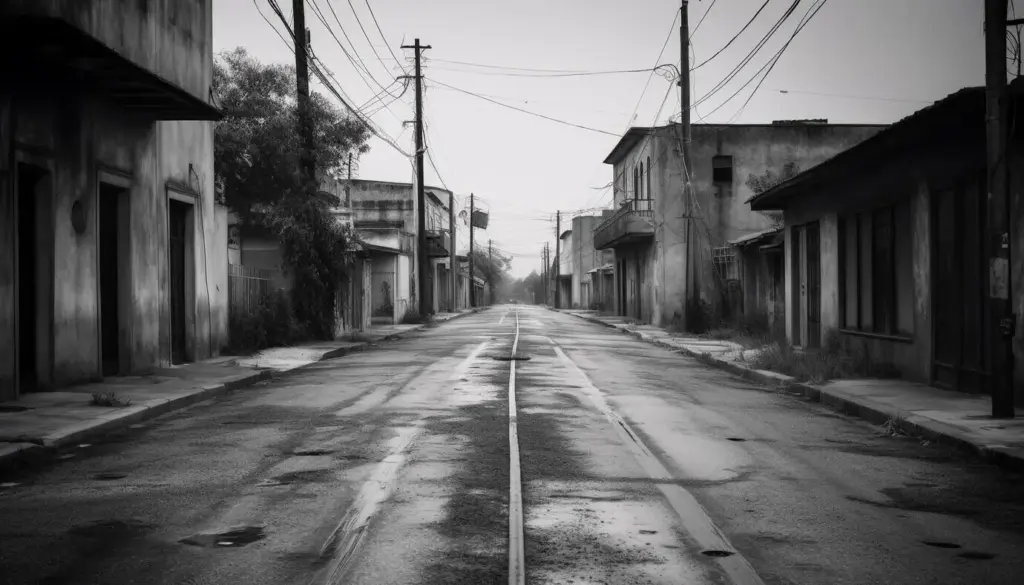
Abuelas described routes taken at dawn to avoid brutal heat. Designers stitched pergolas, misting nodes, and drought-wise trees along those paths. Afternoon temperatures fell, small markets thrived, and a youth cycling club emerged, stewarding planters while teaching maintenance skills that lead to paid apprenticeships.

Storm-Safe Paths in a Coastal Town

Fishers recalled shortcuts that stayed passable during king tides. Paths shifted to slightly higher ground, boardwalks floated above marsh edges, and reflective markers guided dusk evacuations. Insurance rates stabilized, morning joggers returned, and schoolchildren led tours explaining why certain curves protect nesting habitat and docks.

Embedding Oral Insights into Official Plans

Comprehensive plans cite interview findings, with cross-references to recordings. Capital programs reserve line items for co-created priorities, and design standards mention storytelling protocols. This institutional memory protects continuity, so incoming leaders can trace decisions back to voices, preserving trust and momentum during inevitable transitions and debates.

Funding with Accountability and Co-Stewardship

Grants reward projects that demonstrate ongoing listening, not one-time surveys. Budgets include stipends for resident stewards, translation, and archiving. Clear milestones track both ecological outcomes and participation, while shared maintenance agreements ensure trees, bioswales, and benches flourish long after ribbon-cuttings and press releases fade.

Longevity through Community Maintenance Agreements

Neighbors sign onto watering calendars, pruning workshops, and litter rotations, supported by city crews during heavy seasons. QR codes on planters link to care guides and story clips, connecting maintenance to meaning. This shared framework reduces burnout and keeps spaces welcoming, resilient, and continuously well-loved.

Join the Conversation and Keep Recording

How to Contribute Your Story Today

Record a short voice note describing a route you avoid or a space you love. Email or upload it with a simple map and a photo. We will tag, transcribe, and reflect your insight in upcoming drafts, workshops, and neighborhood design sprints.

Organize a Listening Walk on Your Block

Gather neighbors for a slow walk at sunrise or dusk, when conditions feel most extreme. Mark pain points with chalk, note favorite spots, and assign a steward to summarize. Submit the route, and we will share resources, templates, and coaching for next-step improvements and pilots.

Share Feedback to Shape Upcoming Issues

Tell us which questions to investigate next, from tree species trade-offs to heat-mapping methods and accessibility audits. Comment, reply, or send a quick note. Your guidance keeps our efforts relevant, rigorous, and generous, ensuring practical insights reach households, classrooms, and council chambers promptly.

Rixilupahifafehuhezami
Privacy Overview

This website uses cookies so that we can provide you with the best user experience possible. Cookie information is stored in your browser and performs functions such as recognising you when you return to our website and helping our team to understand which sections of the website you find most interesting and useful.